DRAWING TO REPEAT ORDER
Custom single point load cell manufacturing.
Agree supplier feasibility, controlled drawings and sample acceptance before scheduling a batch.
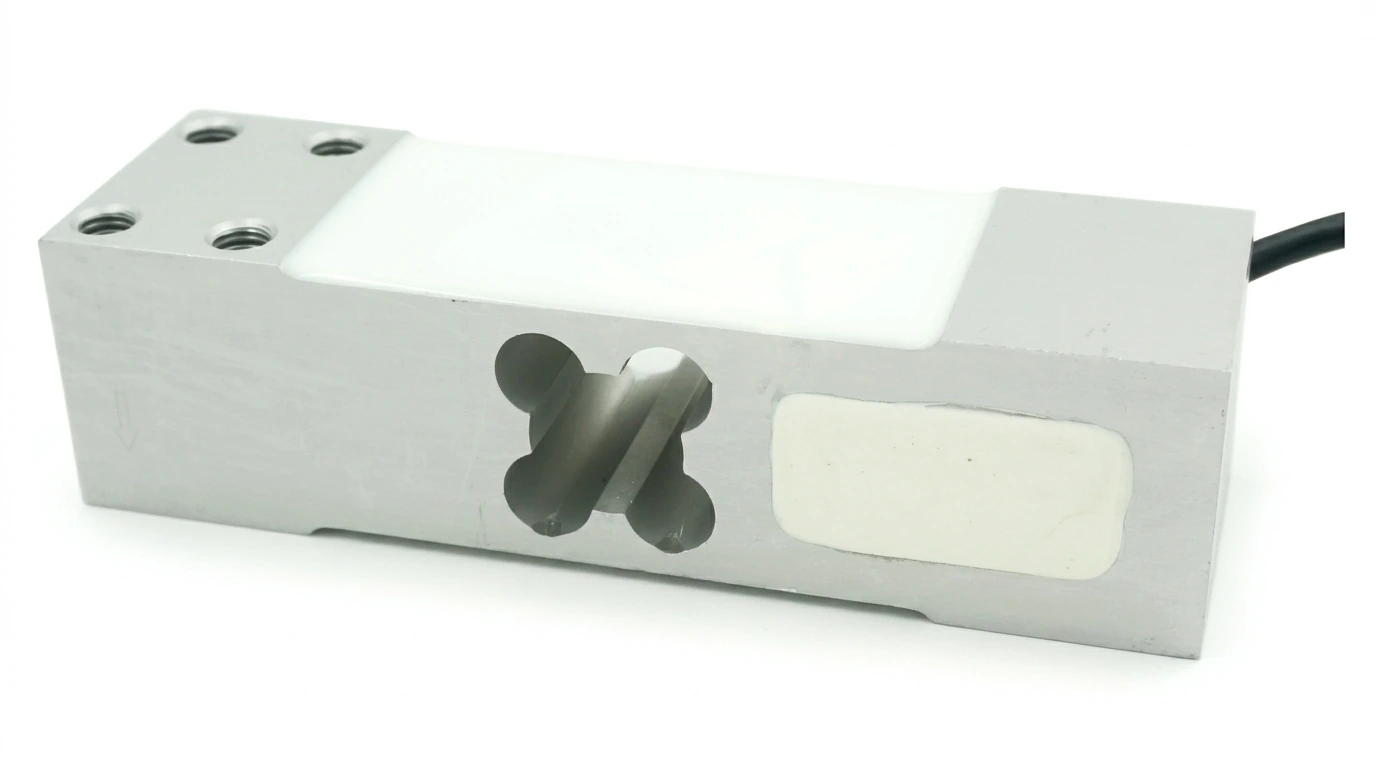
A RELEASE PLAN TO AGREE IN YOUR QUOTATION
Five gates from project input to repeat order.
Use this proposed plan to define supplier deliverables and approval ownership. Scope, manufacturing capability and inspection commitments are confirmed for the order.
| Gate | Input and review | Record to agree | Release decision |
|---|---|---|---|
| 1 · Application feasibility | Gross load, platen, environment, dynamics, electronics and required approvals. | Feasibility response: selected reference, custom requests, exclusions and open questions. | Buyer and supplier agree the intended use and unresolved requirements. |
| 2 · Drawing / BOM freeze | Capacity-specific envelope, hole datum/thread, cable, bridge, material and marking. | Controlled mechanical/electrical drawings and order specification with revision IDs. Agree the sample order, NRE/tooling and test-setup charges before prototype fabrication. | Design owner approves the exact interface and configuration. |
| 3 · Prototype acceptance | Samples made to the agreed revision; installation, settings and trial conditions recorded. | Agreed centre/corner, repeatability, temperature, environmental or dynamic reports. | Buyer reviews results against written limits; deviations are closed explicitly. |
| 4 · Batch release | Quantity, approved sample reference, inspection sampling, packaging and delivery documentation. Confirm freight scope and delivery terms; a mounted base changes shipment size and weight. | Lot/revision identification, agreed inspection records and any applicable certificate copies. | Responsible parties approve the batch deliverables and disposition of deviations. |
| 5 · Reorder / change review | Repeat schedule and any proposed material, geometry, cable, process or supplier change. | Change notice, affected revisions, validation need and written approval trail. | No unreviewed substitution against the agreed frozen specification. |
Distinguish a documented reference from a custom request.
| Decision area | Existing reference basis | Custom review / evidence needed |
|---|---|---|
| Body, capacity and platform | Six designs with 41 listed capacity variants; model-specific dimensions and known platform limits. | New envelope, extra-small range, large-platform pairing, stiffness and eccentric-load testing. |
| Thread and mounting module | Documented metric callouts and depths where the source drawing states them. | UNC option, changed engagement, spacer stack and a matched overload-stop base; separate part revision. |
| Bridge and signal chain | Capacity-specific analog mV/V, resistance and 4/6-wire reference functions. | 1,000 / 2,000 Ω bridge, excitation changes, integrated digital output or external transmitter compatibility. |
| Material, sealing and cable | Catalogue material/IP/cable values, with the unresolved stainless IP revision disclosed. | Named alloy, welded sealing, cleaning compatibility, connector/jacket and exact environmental evidence. |
| Marking and metrology | Independent SPL reference naming; no transferred manufacturer approval. | Required order marking, serial/lot traceability and certificate scope for the actual supplied variant. |
A capacity change can change the mounting interface.
Within SPL-CMP-102, body width changes from 12 to 15 mm across the listed capacities, and rated output changes between the low-capacity and higher-capacity variants. A model-family name is insufficient for a released fixture.
Use the exact capacity drawing, datum, thread callout and cable function chart. Reference PDFs are useful for selection; request a controlled order drawing and STEP revision before cutting a mating bracket.
Keep the specified metric or UNC interface explicit. Similar diameters or an inch-based hole pitch do not establish thread compatibility.
Inspect the capacity-specific reference matrix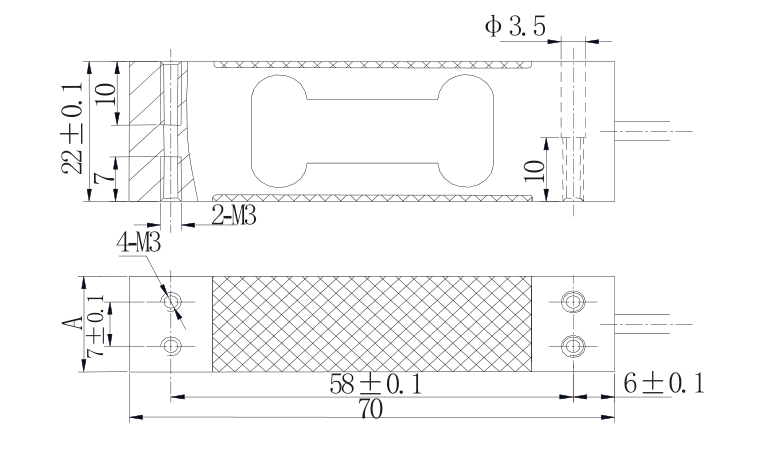
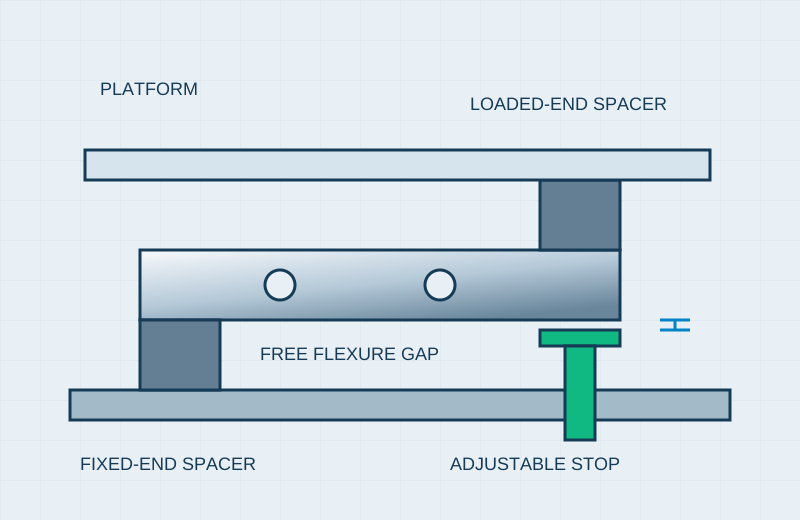
Quote the sensor and mounted module as separate scopes.
Request a bare-sensor option and, where appropriate, a matched base/spacer/stop option. Agree platen size, tare, fixing interfaces, cable clearance, levelling access and the assembly's acceptance plan.
A base-frame request does not establish a universal load rating or stop gap. Confirm model deflection and assembly tolerances, then identify which stop settings are delivered and which must be checked after installation.
Review the mounting module inputsSpecify the report before requesting the sample.
Define test points, centre/corner placements, repeat count, temperature range and the reference equipment or traceability requirement. Dynamic and washdown tests need their actual fixture and operating conditions. An agreed inspection report is separate from an accredited calibration or legal-metrology certificate.
Start with non-confidential application data. For sensitive drawings, request an NDA by email before sending controlled files. There is no website file-upload requirement; attach approved documents in your own email application.
Plan dynamic acceptance on the machineSpecify cleaning exposure and evidence
Questions about custom changes, samples and repeat orders
Which OEM changes are already qualified in the catalogue?
The published reference sheets document their listed geometry, capacity and electrical values. Modified threads, alloy grades, cable/connector combinations, digital electronics, low-power bridges and environmental approvals require separate feasibility and sample review. A requested option is not established production availability.
Can a custom SPL label carry another manufacturer’s certificate?
A new label does not transfer approval. The supplied manufacturer, model, capacity, marking and certificate conditions must be checked together. Agree the appropriate supply route and documentation before ordering a regulated configuration.
Is there a fixed MOQ or guaranteed prototype lead time?
No universal MOQ or lead time is published. Quantity, machining, bridge trimming, cable, approval and test scope determine the quotation. Provide prototype quantity, annual volume and required dates so feasibility and delivery can be confirmed.
What should remain frozen for a repeat order?
Agree the released drawing, BOM and material/bridge/cable specification, marking, acceptance plan and report scope. Define which changes need written approval, who approves them and how lot and revision identities appear in the delivery records.
CUSTOM OEM DRAWING REVIEW
Send the revision and the acceptance criteria.
List requested modifications, critical dimensions, original reference, prototype quantity and expected annual volume. Include the required sample date and destination so the quotation can state its actual scope.
Outline change-control and report requirements here. After configuration review, agree feasibility, tooling/setup costs if applicable, MOQ and the delivery schedule.