WET-PROCESS MACHINE BUILDERS

Hygienic checkweigher load cell selection.

Review the sensor, cable, frame and stops as one assembly. Specify the cleaning cycle before choosing a stainless configuration.

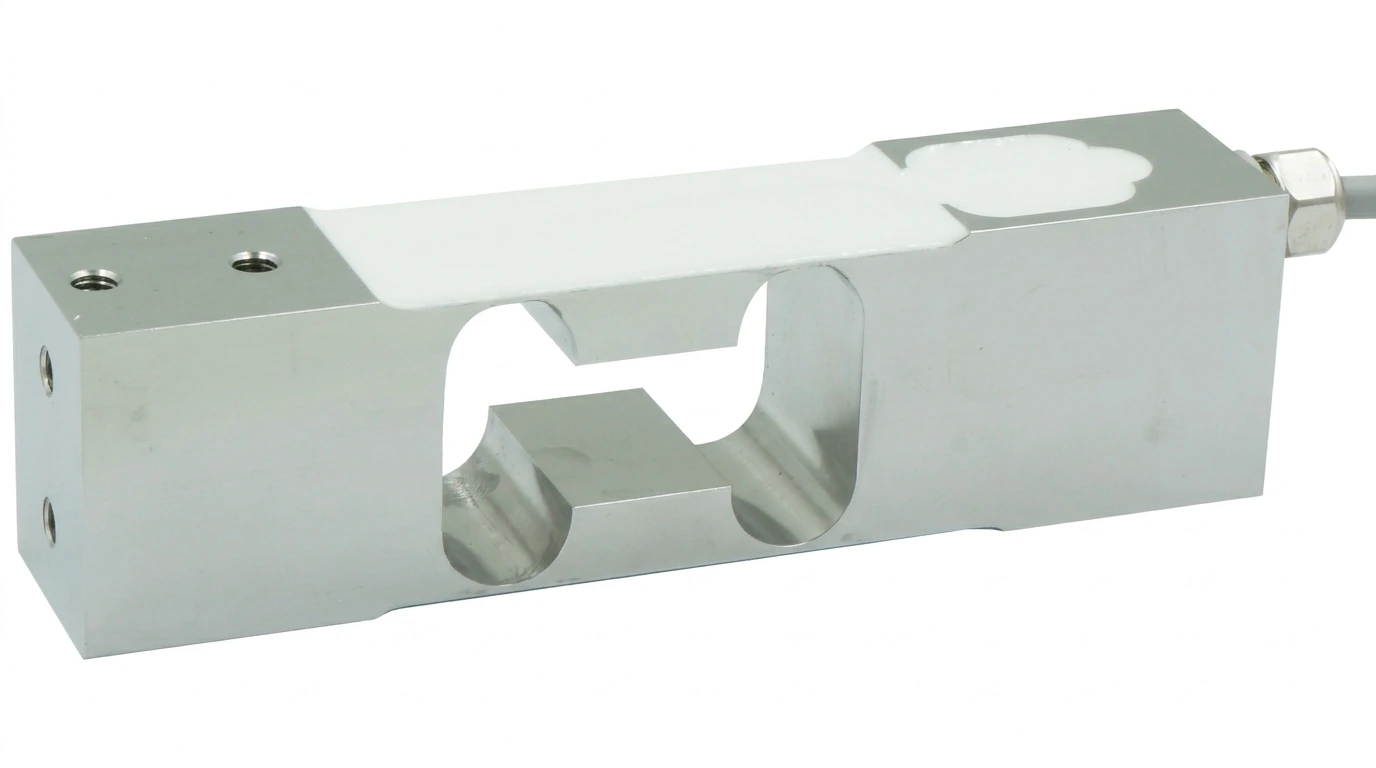
stainless single point ip67 dual aperture long beam with top sealing patch and side cable entry — supplier-source product reference
Stainless beam reference from an IP67 source variant; washdown qualification requires the exact model.

EXPOSURE → EVIDENCE → ASSEMBLY

Separate immersion, hot jets and chemical contact.

A stainless appearance does not establish compatibility with a meat-processing rinse, seafood brine or pharmaceutical cleaning process.

Exposure to specifyEvidence to requestAssembly detail to inspect
Pressure-jet cleaningExact model/cable ingress test conditions: pressure, water temperature, nozzle distance, direction and duration.Cable entry, mated connector, seals and any protective covers in the tested arrangement.
Immersion or poolingApplicable depth, exposure duration and installation limitations.Low points, submerged cable joints and paths that trap rinse water.
Acid, alkali, salt or disinfectantCompatibility with the named agent, concentration, temperature and contact time.Sensing alloy, housing, fasteners, elastomers, potting and cable jacket separately.
Product-residue cleanabilityRelevant hygienic assessment and the actual cleaning procedure, if required.Drainage, accessible joints, exposed threads and pockets around shims and stops.
Hazardous gas or dust areaExact certificate, variant and installation conditions for the classified location.The complete sensor, cable, associated apparatus and machine installation.

Specification review is application-specific. No universal cleaning temperature, chemical resistance, drainage angle or hazardous-area wiring prescription is assigned.

What the current stainless references establish.

SPL-SSW-101 has an IP67 catalogue declaration. SPL-SSW-102 has conflicting IP67/IP68 source revisions. Neither reference establishes IP69K, a specific 17-4PH/316L alloy combination, EHEDG certification or an approved hazardous-area assembly. Treat a hot-jet or hygienic requirement as a separate configuration review.

stainless single point ip67 dual aperture long beam with top sealing patch and side cable entry — supplier-source product reference

SPL-SSW-101

Industrial stainless parallel-beam single point

Reference capacities
3 kg–200 kg
Platform envelope
600 × 500 mm
Catalogue protection
IP67
Analog signal
2.0 mV/V ±10%; 420 ±20 Ω input bridge

Catalogue selection reference. Confirm the exact capacity, supplied drawing, environment and application acceptance.
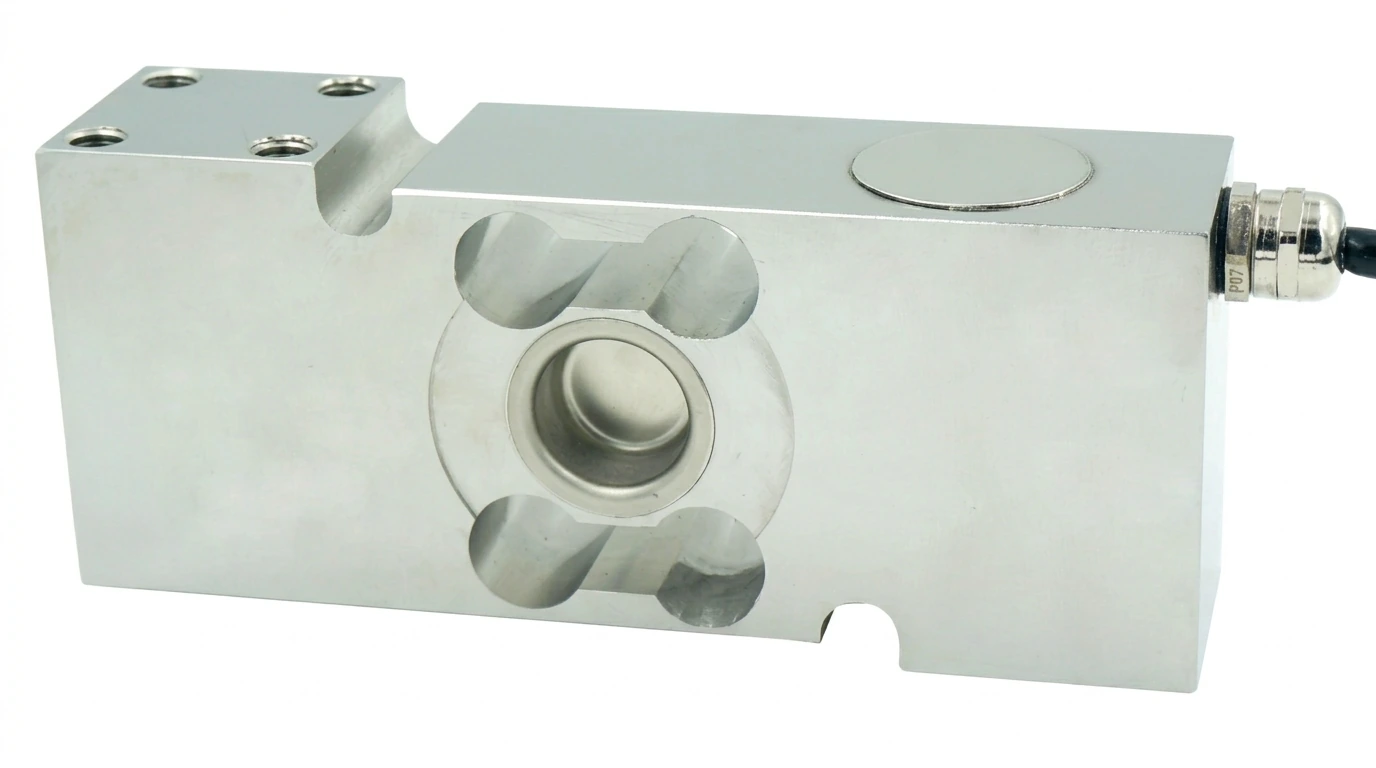
stainless single point platform cell round sealed flexure window and metal cable gland — supplier-source product reference

SPL-SSW-102

Round-window stainless single point

Reference capacities
50 kg–1000 kg
Platform envelope
Capacity pairing to confirm
Catalogue protection
IP67/IP68 source editions disagree; confirm the exact sealing variant.
Analog signal
2.0 mV/V ±10%; 380 ±20 Ω input bridge

Catalogue selection reference. Confirm the exact capacity, supplied drawing, environment and application acceptance.

Review the material and sealing distinctions or filter the documented catalogue.

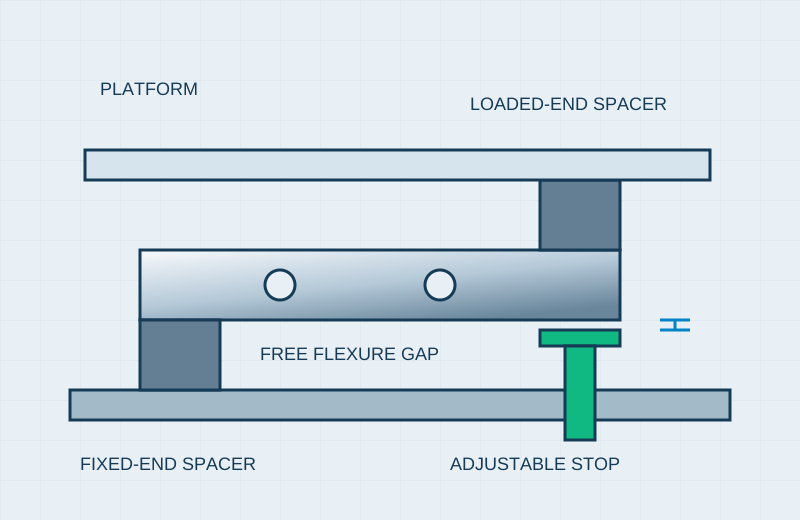
Mounting concept: free flexure clearance and adjustable stops; drainage and residue access need a separate assembly review.

Keep the stop reachable without creating a residue pocket.

Specify accessible spacer interfaces, cleanable fasteners and a drainage path around the weighing module. Inspect centre and corner stops for trapped residue that could bridge the weighing gap or prevent overload protection from moving freely.

Stop gap comes from the selected sensor's deflection, mounting stiffness and tolerance stack. Recheck free travel and zero after cleaning; do not apply a universal gap or assume an inverted stop arrangement solves every hygiene problem.

Match dissimilar materials, seal replacement access and cable routing to the actual process. A hygienic sensor body installed in an uncleanable frame does not qualify the complete scale.

Review spacers and the overload load path

CLEANING ACCEPTANCE PLAN

Agree what changes before and after the wash cycle.

  1. Record the installed baseline

    Document model/capacity, cable and connector, frame, stop settings and cleaning procedure. Record zero, known-weight response and the agreed centre/corner checks.

  2. Reproduce the intended exposure

    Agree the cleaning agent, temperature, pressure, distance, duration and repetitions with the responsible manufacturer. Use the specified assembly and qualified personnel; a reference-page claim is not a test authorization.

  3. Check measurement and cleanability together

    After the agreed recovery/drying conditions, inspect drainage, seals and residue traps. Repeat the agreed measurement checks and retain the report against the tested revision.

Request an exposure-specific review

Read certificate conditions alongside the cable drawing.

The HBK PW27 quick guide distinguishes cable-accessory protection and specific configuration options. The Flintec PC6 sheet separates sealing, material and operating conditions. These are independent manufacturer examples of the evidence to request; their ratings and approvals do not apply to SPL references.

For pharmaceutical or food-contact use, provide the required documentation and the component's actual exposure position. Agree whether the sensor is in the product zone, a splash zone or a protected machine compartment. Avoid describing an entire assembly as food-grade from the sensing alloy alone.

Questions about ingress, cleanability and area classification

Does an IP69K claim establish food-grade or hygienic approval?

No. An ingress test addresses specified water exposure. Cleanability, material compatibility, surface details, seals and the assembled installation require separate evidence. Verify the precise model, cable and test or certification scope.

Which published SPL references are proven for hot pressure washing?

No affirmative IP69K model match is published in the current reference catalogue. SPL-SSW-101 is listed as IP67; SPL-SSW-102 has an unresolved IP67/IP68 edition difference. Request a separately qualified configuration for your cleaning conditions.

Can a cable gland or connector decide the final ingress result?

Yes. The cable entry, mating connector, seals and installation are part of the exposure boundary. Confirm the specified assembly, connector placement, strain relief and replacement-seal details rather than relying only on a sensing-body rating.

Does a safety barrier make a standard sensor ATEX-approved?

No. Hazardous-area suitability requires the exact sensor, associated apparatus, cable and installation to meet the applicable documented conditions. Supply the area classification and certificate requirement for specialist review; no universal barrier wiring or SPL hazardous-area approval is provided here.

FOOD / PHARMA ENGINEERING RFQ

Send the chemistry as well as the IP target.

Include water temperature, nozzle pressure and distance, cleaning chemistry/concentration, contact time and the installation drawing. If applicable, include the hazardous-area specification and certificate requirement.

Attach the cleaning specification and relevant drawings in your own email application. Requested approvals and custom materials require exact configuration confirmation.

Agree the sample and repeat-order release plan

ENGINEERING RFQ / SPL selection

Build your weighing module.

Prototype, small batch or scheduled OEM supply.

Food / pharma washdown — project inputs

Optional engineering requirements for this review. Values describe your application; they do not establish a qualified sensor rating.

Mounting, signal and approval requirements

These are requested configurations, not confirmed availability or approval.

Request integration options

Budget targets for configuration review, not a firm quote; freight, duties and prototype/custom setup are quoted separately. Interfaces, sample rate and metrological evidence depend on the selected equipment. A test report is not an OIML certificate.

Send drawings directly to [email protected].

Review, copy or email your engineering brief

For a browser-based company mailbox, copy this brief and attach drawings or nameplate photos in your own email application. If the pre-filled draft does not open completely, paste the full copied brief into your company email.

Open pre-filled RFQ email